Licensed Arborist Services in Summit for Businesses
Learning About the Arborist Field: Key Facts and Advantages for Your Outdoor Space
Professional tree care specialists fulfill an important role in upholding vibrant and aesthetically pleasing landscapes. Tree care experts hold comprehensive expertise in arboriculture, covering get started multiple services that support tree wellness and security. Their expertise impacts property aesthetics and environmental sustainability. Understanding their qualifications and the benefits they provide can greatly influence property management decisions. Nevertheless, choosing the appropriate tree care specialist demands thorough evaluation of multiple elements that can significantly influence tree maintenance results.
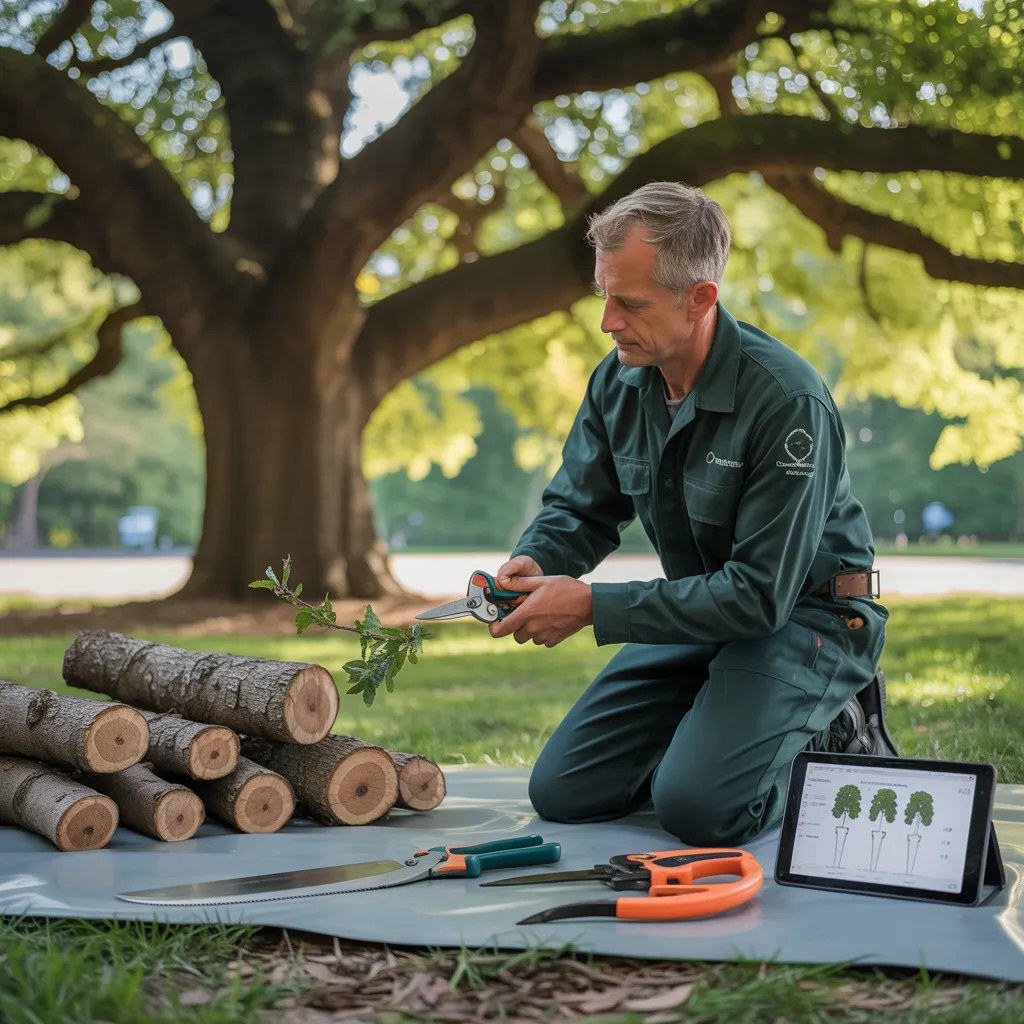
What Does an Arborist Do?
An arborist, often referred to as a tree surgeon, is a professional who specializes in the maintenance and management of trees. Their knowledge includes a range of services, including tree planting, pruning, and disease management. Arborists possess comprehensive understanding of tree biology, health, and the environmental factors influencing tree growth. They are trained to examine the condition of trees and recommend effective care techniques to secure their longevity and safety. Arborists may also be involved in the removal of hazardous trees, providing recommendations on tree selection for landscaping, and implementing measures to protect trees during construction projects. Certification and ongoing education are critical in this field, making certain that arborists maintain currency with best practices and advancements in tree care.
Why Tree Care Matters
Proper tree care is essential for preserving the health and longevity of trees, which play an important role in the ecosystem. Furthermore, well-maintained trees improve the aesthetic appeal of landscapes, enhancing the beauty of commercial and residential properties. Understanding the importance of tree care can result in more informed decisions regarding the management of green spaces.
The Health of Trees
Tree health plays a vital role in sustaining the ecosystem and enhancing urban environments. Thriving trees offer multiple advantages, including enhancing air quality, supporting biodiversity, and regulating temperature. Adequate tree maintenance, such as regular pruning, pest management, and soil maintenance, confirms trees can prosper and contribute effectively to their surroundings. Arborists play a critical role in diagnosing tree ailments and implementing treatment plans to promote longevity. Furthermore, healthy trees are more resilient to environmental stresses, such as drought and disease, thereby reducing the need for costly interventions. Committing to tree health not only elevates the local landscape but also fosters a sustainable environment, helping both people and wildlife. Emphasizing tree care is critical for ecological balance and community well-being.
Visual Appeal Upgrades
Maintaining the health of trees not only supports ecological balance but also greatly improves the aesthetic appeal of landscapes. Healthy trees enhance the visual harmony of outdoor spaces, bringing texture, color, and structure. Arborists fulfill a vital role in attaining this enhancement through correct pruning, disease management, and soil care. They ensure that trees remain healthy and well-shaped, which can significantly increase property value and create appealing environments. Moreover, diverse tree species planted strategically can deliver seasonal beauty, from blooming flowers in spring to vivid autumn foliage. In summary, professional tree care fosters a stunning landscape that satisfies both aesthetic preferences and environmental needs, making it essential for homeowners and property managers alike to utilize arborist services.
Essential Qualifications and Certifications
During the pursuit of a career as an arborist, individuals must meet essential qualifications and attain appropriate certifications to ensure they possess the necessary skills and knowledge. A high school diploma or equivalent is usually required, while a degree in arboriculture, forestry, or an associated discipline can strengthen employment opportunities. Practical experience through training programs or internships is critically important for practical learning.
Professional certifications from recognized organizations, such as the International Society of Arboriculture (ISA), are essential in developing credibility. The ISA Certified Arborist credential demands passing an examination that assesses knowledge of tree biology, maintenance, and safety practices. Ongoing training is also essential for arborists to stay updated on industry standards and advancements, making certain they provide the highest level of service to their clients.
Typical Arborist Services
Standard arborist offerings feature essential tree pruning methods and safe tree removal processes. This work is vital to upholding the health and safety of trees in different environments. Grasping the methods involved enables property owners form informed decisions about their landscape oversight.
Tree Trimming Techniques
Tree pruning techniques are crucial practices that arborists employ to enhance the vitality and appearance of trees. Such techniques encompass crown thinning, which targets particular branches to enhance light penetration and air circulation, thus minimizing disease risk. Crown raising concentrates on eliminating lower branches to enhance clearance and visibility. Conversely, crown reduction entails shortening branches to decrease tree height or spread, guaranteeing safety without jeopardizing the tree's health. Moreover, deadwood removal is critical for removing diseased or damaged branches, which can present dangers. Arborists also implement selective pruning to shape trees and promote outward growth. Each technique is tailored to the unique species characteristics and state of the tree, guaranteeing maximum growth and longevity while maintaining the landscape's visual appeal.
Tree Removal Methods
Proper tree care encompasses not only trimming but also the careful removal of trees when necessary. Tree specialists follow standard protocols to guarantee safe and efficient tree removal. The operation typically commences with a thorough evaluation of the tree's condition and its surroundings. This assessment helps establish the best method for removal, considering factors such as tree height, location, and proximity to buildings.
Tree specialists utilize specialized equipment, including chainsaws and ropes, to safely remove and section the tree in manageable sections, minimizing risk to nearby property. Once the tree is taken down, stump grinding may follow to eradicate the remaining stump and roots. Throughout the process, safety protocols are strictly followed, protecting both the workers and the environment.
Benefits of Employing a Certified Arborist
When homeowners want to elevate the health and appearance of their landscapes, hiring a certified arborist can prove invaluable. These professionals possess specialized expertise in tree biology, care techniques, and pest management, making certain trees thrive in their environment. Certified arborists are trained to detect potential hazards, assess tree health, and recommend proper treatments, which can prevent costly damage in the long run. Moreover, their expertise in proper pruning techniques promotes strong growth and minimizes disease spread. By engaging a certified arborist, property owners can also enjoy increased property value, improved landscape aesthetics, and enhanced safety for people and structures. Overall, hiring a certified arborist leads to healthier, more vibrant landscapes, providing lasting enjoyment and satisfaction.
How Arborists Help Maintain Environmental Sustainability
Certified arborists play a significant role in promoting environmental sustainability through their knowledge in tree management and conservation practices. By examining tree health and implementing appropriate care techniques, they strengthen urban green spaces and enhance air quality. Arborists promote biodiversity by selecting suitable tree species that support local ecosystems, thereby fostering wildlife habitats. Their work in mitigating tree diseases and pests reduces the need for chemical treatments, fostering a healthier environment. Furthermore, arborists assist in carbon sequestration efforts by preserving mature trees, which absorb carbon dioxide and mitigate climate change. Through education and community outreach, they promote knowledge regarding the importance of trees, encouraging sustainable practices that benefit both the environment and the communities they serve.
Choosing the Right Arborist for Your Specific Needs
In what way can property owners ensure they select the right arborist for their unique needs? First of all, they should verify the arborist's credentials, including certifications from recognized organizations such as the International Society of Arboriculture. Experience is critical; therefore, property owners should inquire about the arborist's background and previous projects. In addition, obtaining references from past clients can provide details into their work quality and reliability. It's also vital to discuss certain services offered, such as tree pruning, removal, or health assessments, to verify alignment with the property owner's requirements. In conclusion, obtaining multiple quotes can help assess fair pricing while ensuring that the selected arborist possesses the necessary insurance coverage, shielding both the arborist and the property owner from potential liabilities.
Questions & Answers
How Much Does Hiring an Arborist Typically Cost?
The cost of hiring an arborist typically ranges between $300 to $1,500, influenced by factors like the tree's size, location, and services required. Prices may vary due to regional differences and the job's complexity.
Is an Arborist Qualified to Help With Tree Disease Diagnosis?
An arborist can certainly help with tree disease diagnosis. They possess the expertise to identify symptoms, recommend treatment options, and aid in preserving overall tree health, ensuring ideal growth and longevity for the landscape.
What Tools Are Commonly Used by Arborists?
Arborists frequently work with tools such as chainsaws, pruning shears, climbing gear, and diagnostic equipment. These implements help with tree maintenance, disease diagnosis, and maintaining the health and safety of both trees and nearby areas.
How Often Should Trees Be Inspected by an Arborist?
Trees should be inspected by an arborist at least once a year. That said, trees in urban environments or older specimens may need inspections more often, particularly after harsh weather or when health changes become apparent.
Do Tree Care Professionals Offer Emergency Services?
Arborists indeed provide emergency tree services. They are trained to handle hazardous situations, like collapsed trees or major storm damage, ensuring protection while offering timely help to lessen risks tied to tree emergency situations.